

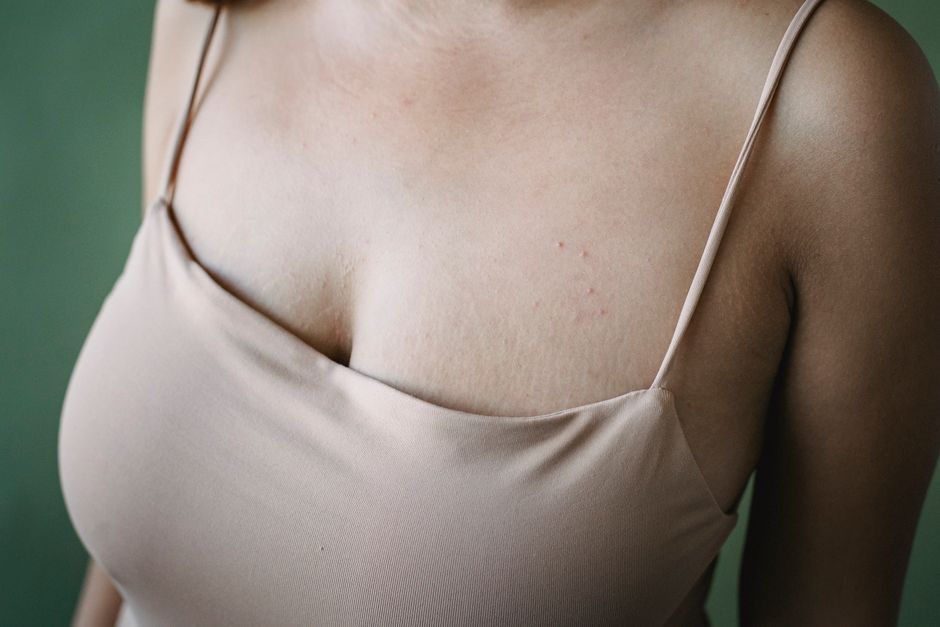
Pregnancy can change your breasts long before your baby arrives. They may grow, feel heavier, or become more sensitive as your body prepares for milk production. After childbirth and weaning, their size and shape can shift again. These changes are common, but they can leave you wondering what causes sagging breasts after pregnancy and whether anything can improve their appearance.
Breast changes are influenced by several factors, including hormones, skin elasticity, genetics, age, and changes in breast volume. Understanding how these elements work can help you set realistic expectations and decide whether lifestyle adjustments or professional options are worth discussing.
What breast sagging means
Breast sagging, medically known as breast ptosis, describes a downward change in breast position. A clinician may assess it by looking at where the nipple sits in relation to the fold beneath the breast. Sagging breasts after pregnancy may involve a lower position, looser-looking skin, or less fullness in the upper portion of the breast.
The change is not always dramatic. Your breasts might feel softer, look different in certain bras, or sit lower on your chest than they did before pregnancy. One breast may also change more than the other. Differences in shape, firmness, and position are common, and appearance alone does not necessarily indicate a health problem.
The degree of change varies from person to person. Natural breast structure, skin elasticity, age, genetics, breast size, and pregnancy-related volume changes all influence the outcome. For that reason, sagging breasts after pregnancy will not look or feel the same for everyone.

Why breast shape changes after pregnancy
Breast growth and stretching
Hormonal changes prepare the breasts for lactation. Breast tissue grows, blood flow increases, and the breasts may become fuller and heavier. As their volume increases, the skin and supporting structures stretch to accommodate the change.
After pregnancy, breast size may decrease. Skin that has stretched does not always contract to its previous state, particularly when the change in volume is substantial. This can contribute to a softer appearance or a lower breast position. Sagging breasts after pregnancy may become more noticeable once the breasts return to a smaller size.
Changes in breast tissue after childbirth
For people who lactate, milk-producing tissue becomes active after birth. When milk production decreases, that tissue gradually changes. The breasts may lose some fullness, and the balance between glandular and fatty tissue can shift. These changes affect shape and firmness, even when body weight remains relatively stable.
Pregnancy itself can alter breast tissue, whether or not someone breastfeeds. This helps explain why sagging breasts after pregnancy can occur across different feeding experiences.
Breastfeeding and weaning
During breastfeeding, breasts regularly fill with milk and soften after feeding or pumping. After weaning, milk production gradually winds down and breast volume may decrease. The skin and supporting tissue may not return to their earlier condition.
Breastfeeding is often blamed for sagging, but it is not the only explanation. Pregnancy-related growth, age, genetics, breast size, and weight changes also contribute. Sagging breasts after pregnancy can occur whether a parent breastfeeds, formula-feeds, or combines feeding methods.
Age, genetics, and skin elasticity
Collagen and elastin help skin stretch and recoil. Their amount and function vary naturally and can change with age. Genetics influence skin characteristics, breast structure, and fat distribution. Family history may provide some context, but it cannot predict exactly how your breasts will change.
Age and genetics can also influence how noticeable sagging breasts after pregnancy become. Some women have naturally more elastic skin, while others experience greater changes in breast position after similar weight or volume fluctuations.
Weight fluctuations
Breasts contain fatty tissue, so weight gain or loss can affect their size. Larger breasts may place more weight on the skin and supporting structures, while significant weight loss can reduce fullness. Changes during and after pregnancy may influence breast shape, but weight is only one part of the picture.

How hormones affect breast tissue
Estrogen and progesterone help prepare breast tissue during pregnancy, while prolactin supports milk production after childbirth. These hormonal changes contribute to the development of milk ducts and glands, as well as temporary fullness and tenderness.
When lactation ends, milk-producing tissue gradually returns to a different state. The breasts may feel less full, and their shape can continue changing for some time. Sagging breasts after pregnancy may become more apparent after weaning, although the timing and extent differ for each person.
It is also important to separate normal changes from symptoms that need medical attention. A new lump, unusual nipple discharge, persistent pain, skin dimpling, redness, or a sudden change in shape should be assessed by a healthcare professional.
What can help support breast health?
Wear a comfortable, supportive bra
A properly fitted bra can make daily activities more comfortable, particularly when breasts feel heavy or tender. Look for a band that stays level, cups that contain breast tissue without digging in, and straps that do not cause discomfort. Your size and support needs may change during pregnancy, nursing, and weaning, so reassessing fit can be useful.
A bra supports the breasts while you wear it, but it does not permanently lift breast tissue or prevent sagging breasts after pregnancy. Comfort and fit are worthwhile goals on their own.
Maintain healthy habits
Balanced nutrition, adequate hydration, regular movement, and avoiding smoking support general health. These habits may help you feel stronger and support skin health, but they cannot guarantee a particular breast shape or reverse stretched skin. Be cautious of creams, supplements, and devices marketed as permanent breast-lifting solutions; their claims may not be supported by reliable evidence.
Understand the role of exercise
Exercises that strengthen the pectoral muscles beneath the breasts can improve upper-body strength and posture. Activities such as wall push-ups, chest presses, and other appropriately selected resistance exercises may help develop those muscles.
However, exercise does not directly tighten breast skin or reposition breast tissue. It can improve muscle strength and posture, but it cannot reliably reverse sagging breasts after pregnancy. A balanced fitness routine should support your overall health rather than promise a specific cosmetic result.
When to consider professional options
If breast changes affect your comfort or confidence, a consultation can help you understand what is contributing to them. A qualified clinician can assess breast position, skin laxity, volume, and your medical history before discussing possible approaches. There is no single treatment that suits everyone.
A breast lift, or mastopexy, is a surgical procedure that removes excess skin and reshapes breast tissue to create a higher position. Some patients may also discuss breast augmentation if loss of volume is a concern. The appropriate option depends on anatomy, goals, health, and the surgeon's assessment.
For people experiencing sagging breasts after pregnancy alongside changes in other areas, a mommy makeover may also be worth discussing. This is a customized combination of procedures that may include a breast lift, breast augmentation, tummy tuck, or liposuction. It is not one standard operation, and not every patient needs or is suitable for every procedure.
Is a mommy makeover right for you?
A mommy makeover may be considered when someone wants to address more than one post-pregnancy concern in a coordinated surgical plan. If sagging breasts after pregnancy occur alongside loose abdominal skin or changes in body contour, a consultation can help clarify whether combining procedures is appropriate.
Timing matters. Surgeons commonly recommend waiting until the body has recovered from childbirth, weight is stable, and breastfeeding has ended before planning elective breast surgery. Future pregnancies may change the breasts and abdomen again, potentially affecting results. Your surgeon can discuss timing based on your circumstances.
If you are considering a mommy makeover in Tijuana, Dr. Flores Valdivia can evaluate your goals and explain which procedures may be suitable. Choosing a surgeon should involve reviewing qualifications, experience, the surgical facility, expected benefits, limitations, risks, recovery, and follow-up arrangements. A personalized consultation with Dr. Flores Valdivia gives you the opportunity to discuss your concerns and understand whether a combined procedure is appropriate for your needs. This individualized approach is especially valuable when you are considering changes to more than one area of your body.
Making an informed decision
Breast shape can continue to change after childbirth and weaning, so give your body time before deciding what, if anything, you want to change. Sagging breasts after pregnancy are common and reflect a combination of tissue growth, hormonal shifts, skin elasticity, and individual biology. There is no single cause or standard outcome.
Whether you choose supportive garments, healthy routines, or a conversation about surgery, your decision should be based on your comfort, health, and personal goals. A qualified medical professional can help you understand your options without pressure and determine what approach, if any, is appropriate for you.