


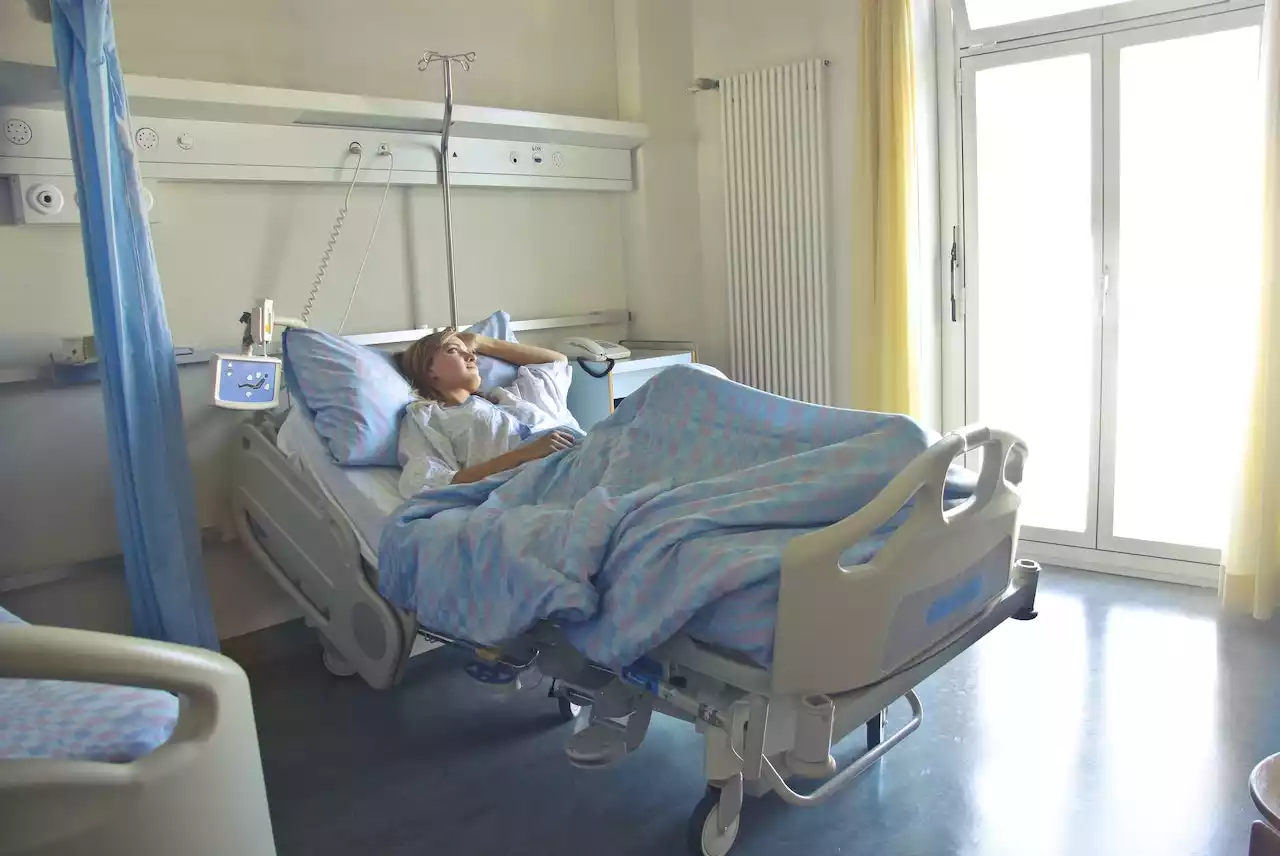
Rest and recover properly by understanding the best sleeping positions after abdominal surgery that promote healing and comfort. Getting the right amount of quality sleep is crucial for your body’s recovery process, and it starts with finding the most suitable sleeping positions.
After undergoing abdominal surgery, your body needs time to heal and adjust. The positioning of your body during sleep can have a significant impact on your overall recovery and well-being. By choosing the right sleeping positions after abdominal surgery, you can alleviate discomfort, minimize strain on the surgical site, and promote optimal healing.
When recovering from abdominal surgery, getting proper rest and sleep is crucial for your healing process. However, finding the right sleeping positions after abdominal surgery can be challenging as you try to balance comfort and support. The last thing you want is to aggravate your surgical site or strain your muscles while you sleep. This article will guide you through some helpful tips and recommendations to ensure you find the right sleeping positions to promote a comfortable and speedy recovery.
One of the most recommended sleeping positions after abdominal surgery is on your back. Sleeping on your back helps keep your spine aligned, reducing any unnecessary pressure on your abdomen. To enhance this position, try placing a pillow or two under your knees. This will help elevate your legs and provide extra support to your lower back, easing any discomfort you may feel.
If sleeping on your back is not comfortable for you, sleeping on your side is another viable option. However, it is important to choose the correct side to lay on. Sleeping on your non-operated side is generally recommended as it reduces the risk of putting direct pressure on your surgical incision. Placing a pillow between your legs can further improve the position by providing better spinal alignment.
For some individuals, finding sleeping positions after abdominal surgery that are comfortable may involve a combination of propping up pillows. Sleeping in a semi-reclined position can help alleviate any discomfort you may experience while lying flat. You can achieve this by using multiple pillows to support your head, neck, and upper body. It is important to make sure the pillows are arranged in a way that provides optimal support and prevents any strain in your abdomen.
During your recovery, it is important to avoid certain sleeping positions that may disrupt your healing process. Sleeping on your stomach, for example, can put unnecessary pressure on your surgical site and affect the integrity of your incision. Additionally, twisting or turning in bed excessively should also be avoided as it can strain your abdominal muscles.
Every individual’s healing process is unique, and what may work for one person may not work for another. It is essential to consult with your healthcare provider for personalized advice on the best sleeping positions after abdominal surgery for your specific case. By prioritizing your comfort and following professional guidance, you can rest assured that you are taking the necessary steps to optimize your recovery after abdominal surgery.
After undergoing abdominal surgery, finding the right sleeping position is crucial for a successful recovery. One of the best sleeping positions after abdominal surgery is sleeping on your back. This position allows your surgical incision to remain undisturbed and promotes proper healing.
By sleeping on your back, you can minimize pressure on the abdominal area and prevent unnecessary strain on the surgical site. This position helps decrease swelling and discomfort, allowing your body to heal more efficiently.
Sleeping on your back also promotes optimal circulation throughout your body, including the surgical area. Adequate blood flow is essential for delivering oxygen and nutrients to the healing tissues, assisting in the regeneration process.
It’s important to note that each person’s healing process may vary, and it’s crucial to follow your surgeon’s specific recommendations regarding sleeping positions. If sleeping on your back is not advised for you, they may suggest alternative positions that cater to your individual needs.
While adjusting to a new sleeping position can be challenging at first, the benefits of sleeping on your back after abdominal surgery outweigh any temporary discomfort you may experience.
When it comes to post-abdominal surgery recovery, finding the best sleeping positions after abdominal surgery is crucial for both comfort and healing. While sleeping on your back may be the most recommended position, sleeping on your side can also offer significant benefits.
Sleeping on your side can help alleviate pressure on your incision site, reducing discomfort and promoting faster healing. By distributing your weight evenly across your body, this position can also help prevent strain on your abdominal muscles and reduce the risk of complications.
One important factor to consider when sleeping on your side after abdominal surgery is the choice of which side to sleep on. Most medical professionals recommend sleeping on the opposite side of your incision to minimize contact and reduce potential irritation. This can help protect the incision from unnecessary pressure and friction.
It is also important to note that while side sleeping can be beneficial, it may not be suitable for everyone. Individuals with certain medical conditions, such as shoulder or hip injuries, may find side sleeping uncomfortable or exacerbating their pain. If you experience any discomfort or have concerns about side sleeping after abdominal surgery, it is advisable to consult with your healthcare provider for personalized advice.
Sleeping on your side can aid in your recovery journey after abdominal surgery. By reducing pressure on the incision site, preventing strain on abdominal muscles, and supporting proper spinal alignment, this sleeping position can contribute to a more comfortable and efficient healing process.
Finding comfortable sleeping positions after abdominal surgery can be a challenge. However, with the right support, you can alleviate discomfort and promote faster healing. One effective technique is to embrace the support of pillows. By strategically placing pillows around your body, you can minimize strain on your abdominal area and enhance your overall comfort during sleep.
First and foremost, consider using a pillow under your head and neck. This helps maintain proper alignment and reduces strain on your surgical site. Choose a pillow that adequately supports your head and provides a comfortable loft. It’s essential to find the right balance between support and comfort to ensure a peaceful sleep.
In addition to a pillow under your head, placing another pillow under your knees can further enhance your comfort. This elevation takes pressure off your lower back and helps align your spine properly. By keeping your knees slightly bent and supported, you can alleviate tension and minimize discomfort while lying in bed.
If you find that you often roll onto your side during sleep, consider placing a pillow between your legs. This helps align your hips and pelvis, reducing strain on your abdominal muscles. Side sleeping with proper pillow support can alleviate pressure on your surgical site and promote more restful sleep.
Experiment with different pillow combinations and sleeping positions after abdominal surgery until you find the most comfortable setup for you.
Finding the right sleeping positions after abdominal surgery is crucial for a successful recovery. By adjusting to positions that offer comfort and support, such as sleeping on your back or using pillows, you can alleviate discomfort and aid in the healing process.
The information provided in this article are general guidelines and it is always best to consult with your surgeon for personalized advice based on your specific surgery and individual circumstances.
By incorporating the recommended sleeping positions and creating a conducive sleep environment, you can optimize your recovery and ensure a restful and comfortable sleep after plastic surgery in Tijuana . Take care of yourself, prioritize rest, and allow your body the time it needs to heal.
Recent Posts
Our Services
Meet Dr Flores Valdivia
"*" indicates required fields